American Red Cross BLS CPR & AED Renewal Classes in Lanham, MD
$79.95
CPR Lanham offers a convenient CPR renewal program designed for students who need to update an existing certification. Our blended learning recertification course combines required online coursework with an in-person skills session to help participants refresh their CPR, BLS, and AED skills while meeting workplace, school, and OSHA requirements. If your certification is nearing expiration, our renewal training provides the practical skills practice and updated knowledge needed to maintain your credentials and stay prepared for emergencies.
*This is a blended learning course. Please bring a copy of your online course completion certificate to class.
#1 for Lanham CPR Renewal Classes
CPR Lanham provides a convenient CPR renewal program that combines required online coursework with an in-person skills session. If your BLS certification is approaching expiration, our renewal course makes it easy to update your credentials and refresh your lifesaving skills. This OSHA-compliant recertification training is designed to meet the needs of healthcare professionals, students, and anyone required to maintain an active certification.
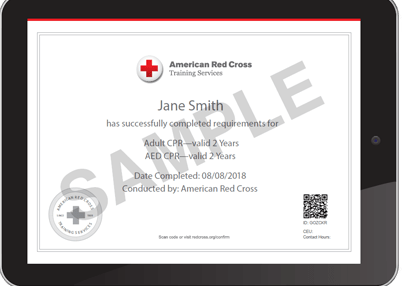
After successfully completing all required renewal components, including the online coursework and in-person skills evaluation, you’ll receive your updated BLS certification documentation.

Our CPR Renewal Training Includes
- Same Day CPR + First Aid Cards
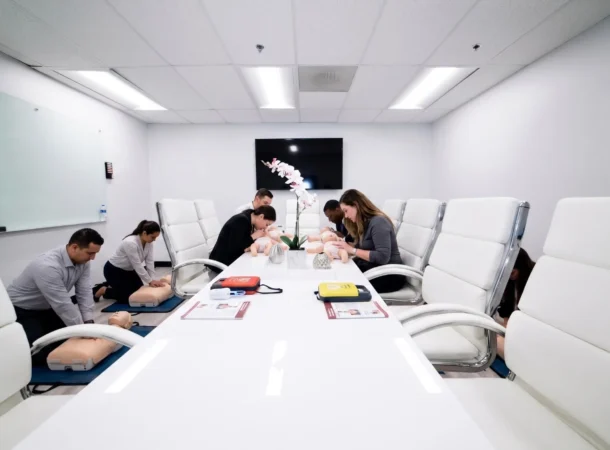
- Hands on Chest Compression Training
- Rescue Breath Training
- AED Usage for Infant, Child, and Adults
- Friendly and Relaxed Environment
- Professional Instructors

Schedule Your CPR Renewal Class Now
Lanham’s Best CPR Renewal Classes
CPR, or Cardiopulmonary Resuscitation, is a lifesaving technique that combines chest compressions and rescue breathing to help maintain circulation and oxygen flow during a cardiac emergency. To remain prepared and meet workplace or educational requirements, it’s important to keep your CPR training and certification current.
Who Needs CPR Certification Renewal?
It’s easy to lose track of certification expiration dates, especially when CPR credentials are valid for two years. Our renewal course helps students stay compliant with current standards and maintain the confidence needed to respond during emergencies. If your certification has expired or is about to expire, our renewal training can help you stay up to date.
What to Expect in Your CPR Recertification
Our renewal course combines required online coursework with an in-person skills session to review essential CPR skills and reinforce proper techniques. During training, you’ll refresh how to:
- Recognize and respond to breathing emergencies
- Perform CPR using current guidelines
- Check for responsiveness and pulse
- Deliver effective chest compressions
- Operate an AED confidently
- Respond to a variety of emergency situations
Training covers emergency response techniques for infants, children, and adults, helping you stay prepared for real-world situations.
Our certification is recognized by organizations including:
- Nurses, RNs, and CNAs
- Hospitals and healthcare facilities
- EMS and paramedic organizations
- Home healthcare providers
- Fitness centers and gyms
- Public and private schools
- Hospitality businesses
- Construction companies
- Daycare centers and caregivers
- Healthcare and nursing programs
- Community organizations and nonprofits
- Public safety departments
Why Train With Us?
- Flexible training options for individuals and groups.
- Receive nationally recognized CPR certification.
- Complete required online coursework followed by an in-person skills session.
- Receive your updated certification documentation after successful completion of all required renewal components.
- Benefit from hands-on skills practice and personalized guidance during the in-person skills session.
FAQS
How long does CPR certification last?
Most CPR certifications remain valid for two years before renewal is required.
When can I take my CPR renewal course?
We offer in-person skills sessions throughout the week to fit a variety of schedules.
How will I complete the CPR renewal certification course?
Register for an available renewal course and complete the required online coursework before attending your scheduled in-person skills session. During the hands-on portion, you’ll review important CPR, BLS, and AED techniques and complete the required skills evaluation.
Hands-on skills practice and evaluation are important components of CPR renewal training and are included during the in-person skills session.