American Red Cross BLS CPR & AED Classes with Infant CPR in Lanham, MD
$79.95
Caring for infants and young children is meaningful work, and being trained in CPR helps you feel prepared if an emergency happens. CPR Lanham offers infant CPR training that covers Basic Life Support (BLS), CPR techniques, and AED awareness so parents, caregivers, and professionals can respond with confidence.
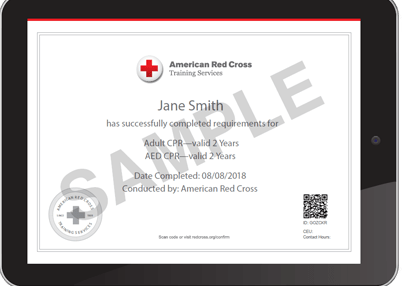
*This is a blended learning course. Please bring a copy of your online course completion certificate to class.
#1 for Lanham Infant CPR Classes
Caring for children comes with tremendous responsibility, and CPR training helps ensure you are prepared when emergencies happen. CPR Lanham provides infant CPR training that includes Basic Life Support (BLS), CPR techniques, and AED instruction designed to help you respond with confidence when every second matters.
In addition to infant CPR training, your course also includes instruction for responding to emergencies involving children and adults at no additional cost. Our goal is to help every student complete their training feeling comfortable with their skills and prepared to act when someone needs immediate assistance.

Our CPR Training Includes
- Same Day CPR + First Aid Cards
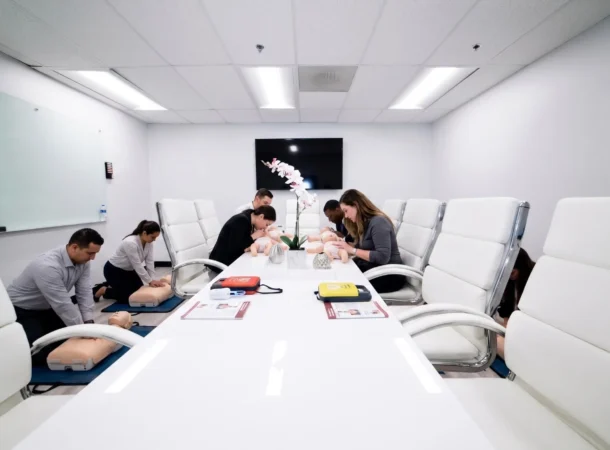
- Hands on Chest Compression Training
- Rescue Breath Training
- AED Usage for Infant, Child, and Adults
- Friendly and Relaxed Environment
- Professional Instructors

Schedule Your Class Now
Lanham’s Best Infant CPR Classes
Learning CPR gives you the ability to respond quickly and appropriately when someone experiences a medical emergency. In our infant CPR course, you’ll learn how to recognize signs of distress, respond to choking incidents, identify unresponsiveness, and apply CPR, BLS, and AED skills based on the age of the person needing care.
With proper training, you’ll be prepared to provide assistance confidently whether the emergency involves an infant, child, or adult.
Understanding the importance of CPR starts with understanding the risks:
- Thousands of children experience cardiac arrest each year.
- Infants remain vulnerable to breathing emergencies, including suffocation and sleep-related incidents.
- Many pediatric cardiac emergencies begin with respiratory problems or airway obstruction.
Additional situations where CPR may be needed include near-drowning events, head injuries, smoke inhalation, poisoning, and electrical accidents.
What is CPR?
Cardiopulmonary Resuscitation (CPR) is an emergency procedure that combines chest compressions and rescue breaths to help maintain blood circulation and oxygen flow when a person experiences cardiac arrest or stops breathing. Infant CPR should only be performed on babies who are unresponsive and not breathing normally.
What to Expect in Your CPR Classes
By completing your CPR certification training, you’ll meet workplace requirements and gain practical skills that can help sustain life until emergency responders arrive. Our blended learning format combines required online coursework with an in-person skills session where you’ll learn how to:
- Understand and perform the steps of CPR
- Check for breathing and circulation
- Perform infant, child, and adult chest compressions
- Provide rescue breaths safely and effectively
Our certification is recognized by employers and organizations including:
- Daycare centers and childcare providers
- Nursery caregivers and early childhood staff
- Nurses, RNs, and CNAs
- Schools and educational institutions
- Home healthcare agencies
- Nursing and healthcare training programs
- Community and nonprofit organizations
- Fitness centers and personal trainers
- Hospitality businesses
- Construction companies
- Hospitals, EMS providers, and public safety agencies
Why Train With Us?
- Convenient blended learning that combines required online coursework with hands-on skills practice.
- Personalized guidance during the in-person skills session.
- Widely recognized CPR certification credentials.
- Flexible training options for individuals and groups.
- Certification documentation provided upon successful completion of all required course components.
FAQS
How do I complete the CPR certification course?
After registering, complete the required online coursework before attending your scheduled in-person skills session. During the hands-on portion, you will practice important CPR, BLS, and AED techniques and complete the required skills evaluation.
Hands-on practice and practical skills assessment are included during the in-person portion of the certification process.
When can I take my CPR certification course?
We offer in-person skills sessions throughout the week, making it easy to find a time that works with your schedule.
When will my CPR certification expire?
Most CPR certifications remain valid for two years. Renewal training helps ensure your skills stay current and effective.